
Why Open Booth Designs Consistently Outperform Closed Concepts
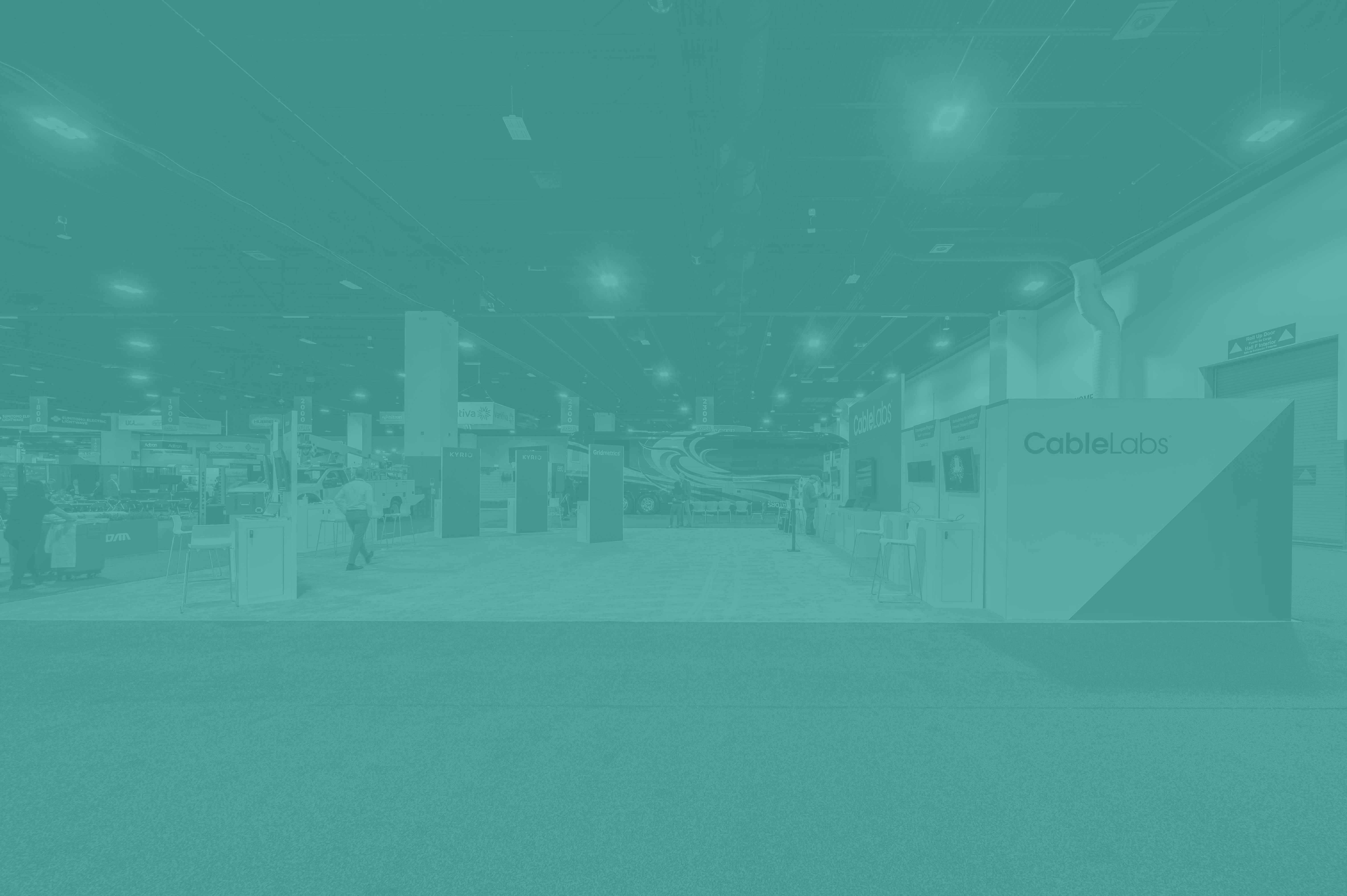
There’s a reason most modern exhibit designs have moved away from walls, barriers, and enclosed spaces. Tradeshows are built around one simple goal: connecting people. The easier you make it for attendees to approach your booth, the more opportunities you’ll have to start conversations, build relationships, and generate leads.
Yet many exhibits unintentionally create obstacles that work against those very goals. Whether it’s oversized graphic walls, blocked sightlines, or enclosed meeting areas that dominate the footprint, closed booth concepts can make a space feel less inviting–even when the design itself is beautiful.
Open booth designs, on the other hand, consistently outperform closed concepts because they align with how people naturally move, explore, and engage on a crowded show floor.
Let’s take a closer look at why.
The Tradeshow Floor is Already Intimidating Enough
Picture yourself attending a large industry event. You’ve got lessons to attend, dozens of booths to visit, and maybe around 17 business cards already stuffed into your pocket before lunch.
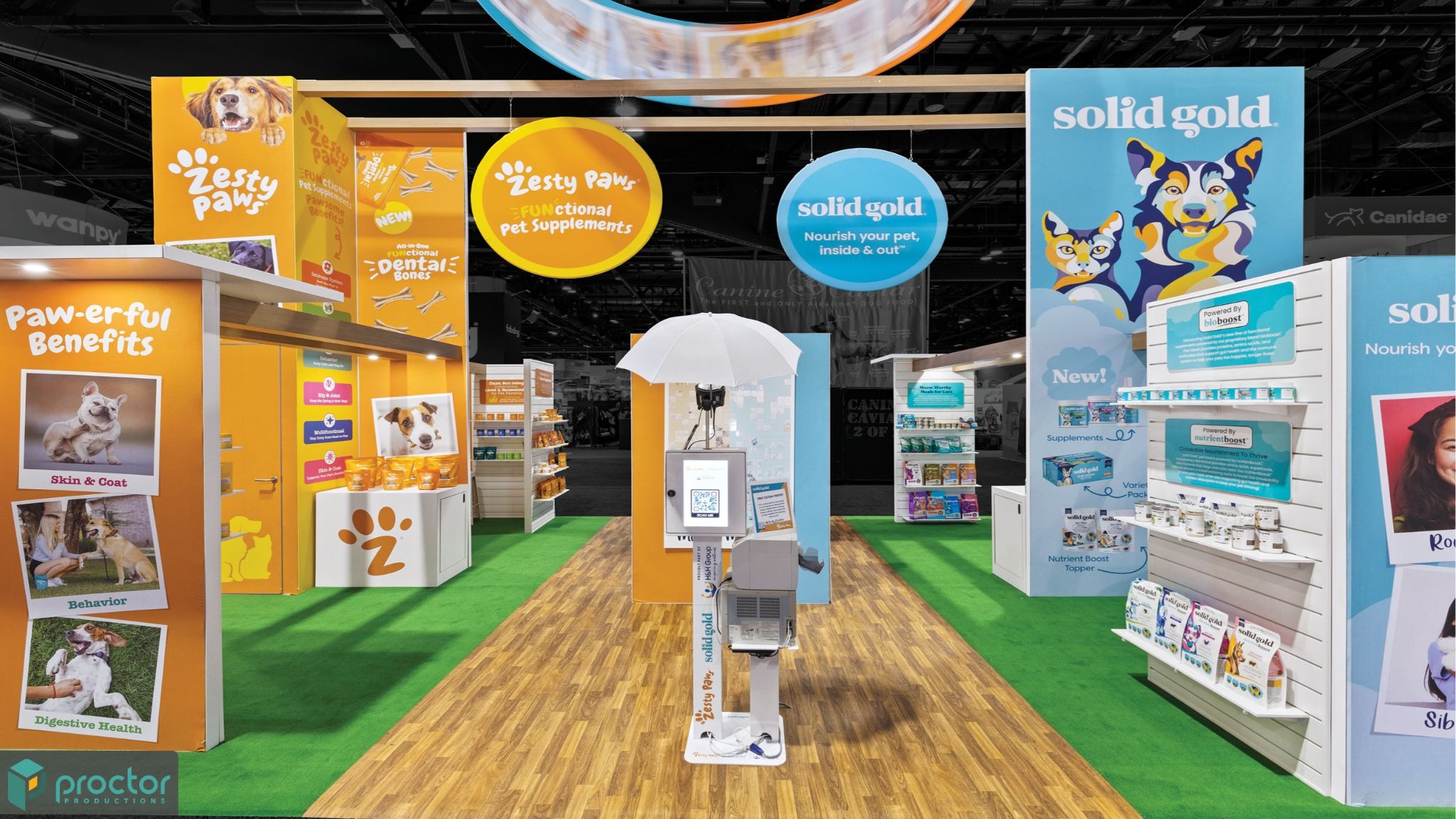
Attendees are constantly making decisions about where to spend their time. If approaching your booth feels complicated, awkward, or uncertain, many people simply won’t do it. Open exhibits designs ease that tension. By removing physical and visual barriers, and subsequently removing that friction, you’re sending a simple message: “Come on in.”
That invitation matters more than many exhibitors realize.
Accessibility Drives Engagement
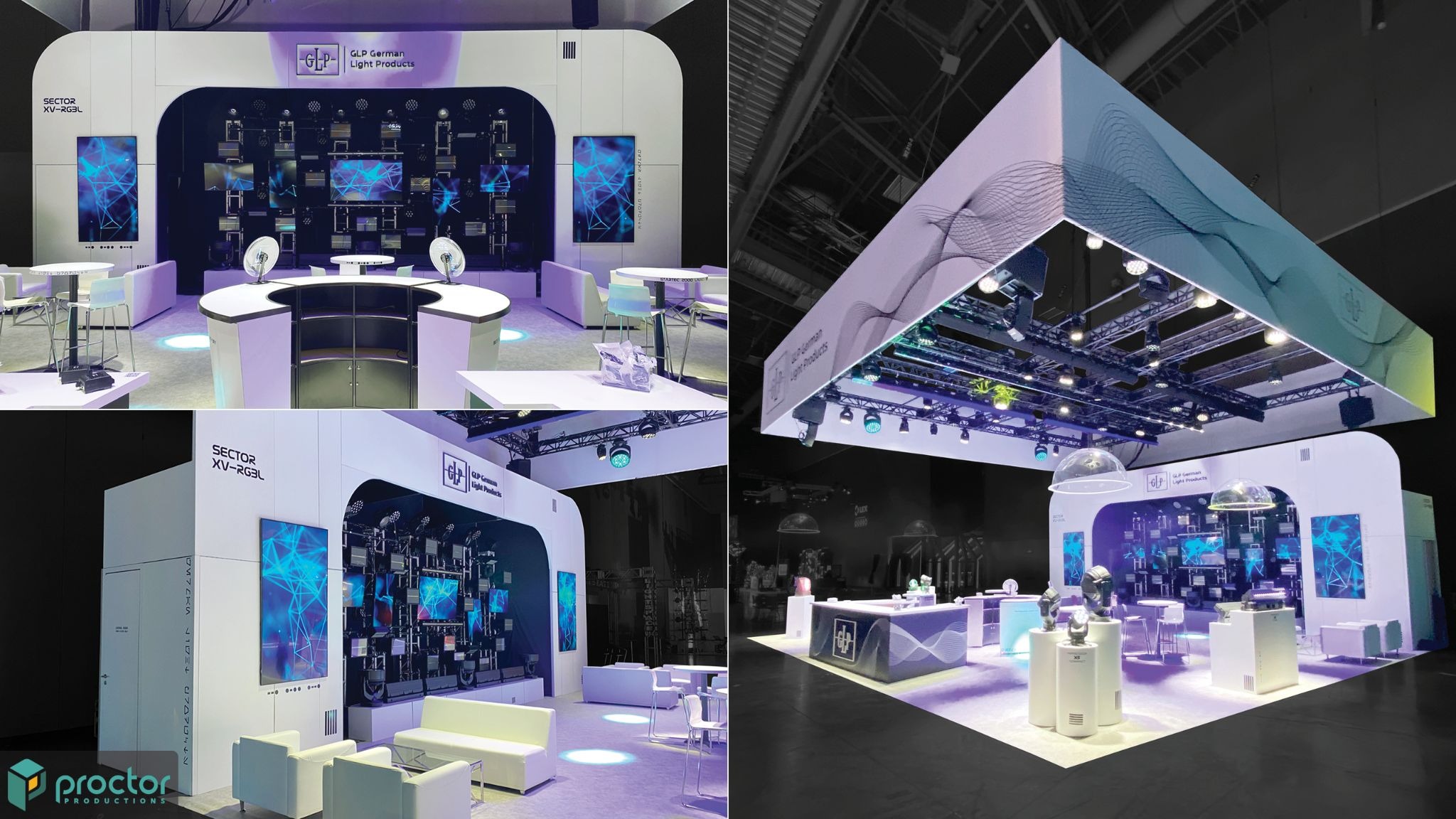
One of the biggest advantages of open booth design is accessibility. When attendees can clearly see into your space, they immediately understand:
- Where to enter
- What is happening inside
- What experiences are available
- Who they can talk to
Compare that to a booth with large perimeter walls or majorly enclosed structures. Visitors may hesitate because they’re unsure whether the space is public, private, or already occupied.
Even a mere moment of uncertainty can be enough to keep someone from entering your both, and instead, keep them walking. Open designs ultimately eliminate guesswork.
More Sightlines Mean More Opportunities
Tradeshow attendees rarely discover booths by standing directly in front of them. More often, they notice something from across an aisle, around a corner, or while walking toward another destination.
The uninterrupted line of vision between the observer’s eye (the attendee) and a subject of interest (the exhibit) is what we call a sightline. Open booth layouts maximize visibility from multiple angles–it’s just a fact. Without large walls obstructing views, attendees can see:
- Brand messaging
- Interactive experiences
- Meeting activity
- Product demos
- Staff engagement
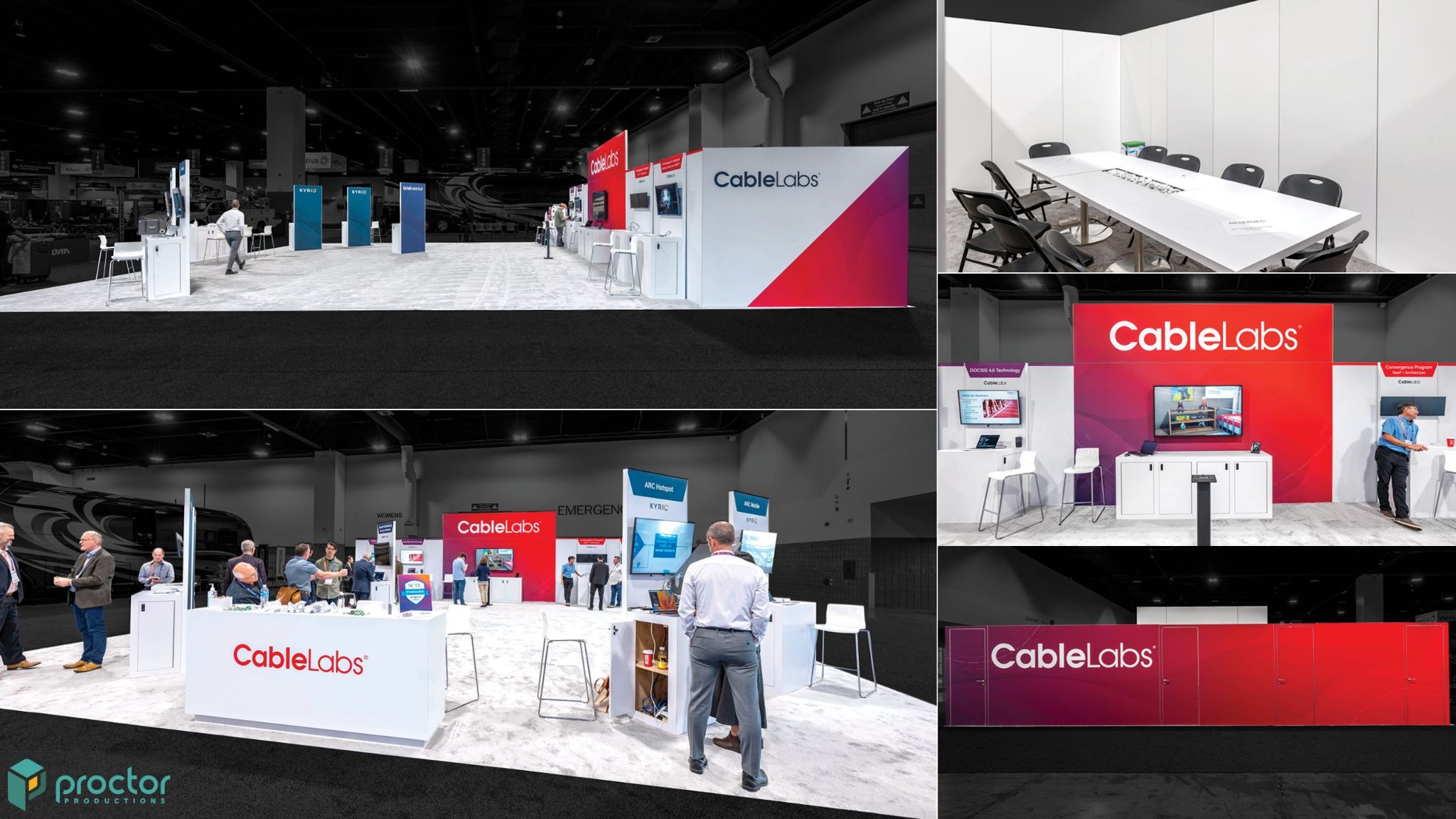
In other words, your booth starts working before attendees even reach it. And the more people can see from the aisle, the more reasons they have to drop in.
The Magnetism of Energy
Ever notice how a busy restaurant attracts more customers than an empty one? Trade show booths operate the same way.
Humans are naturally influenced by social proof (mentioned in our previous blog, The Psychology of Exhibit Design: What Makes Audiences Stop & Engage). We pay attention to places where other people are gathering, interacting, and having positive experiences. People are just naturally drawn to energy.
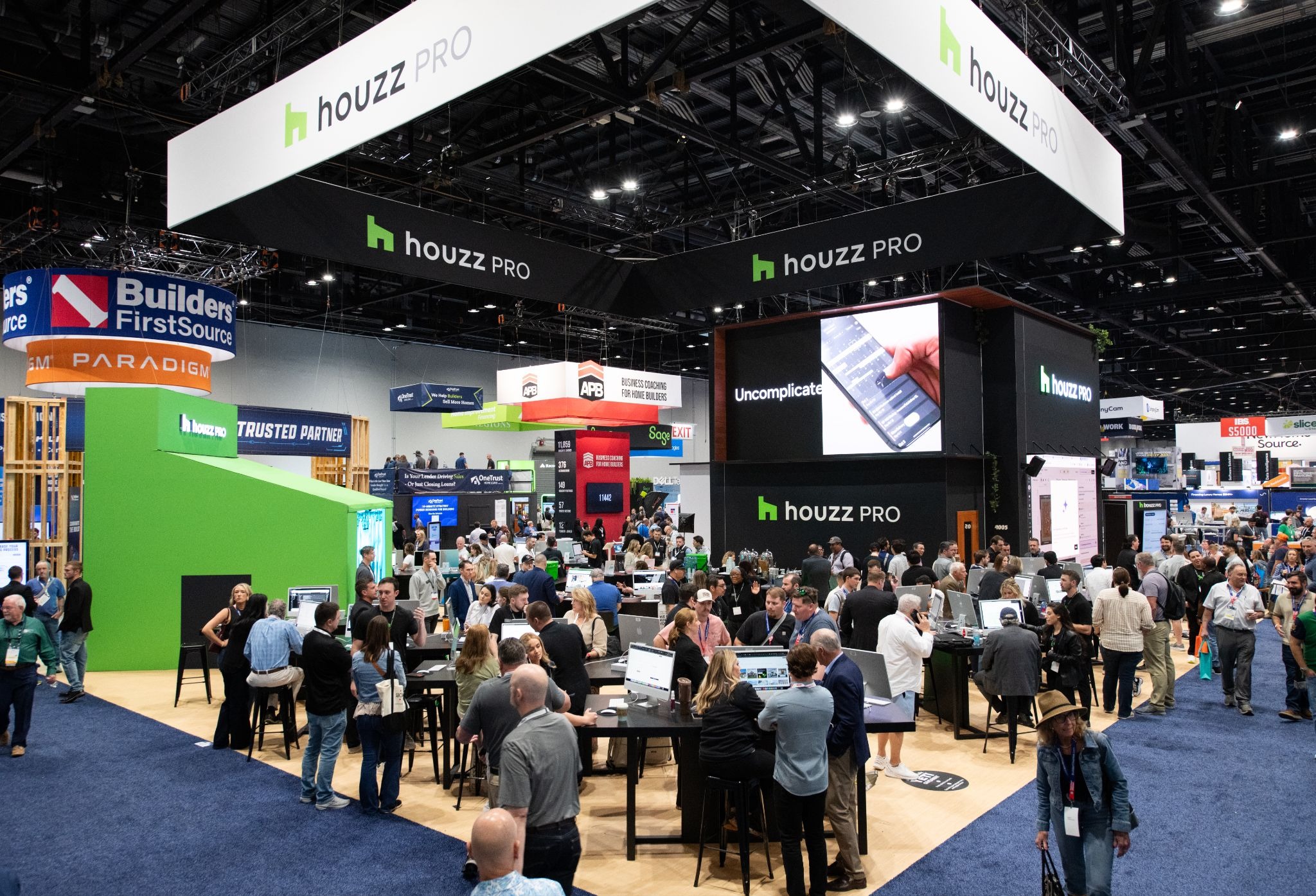
Open designs make that activity visible. When attendees can see conversations happening, products being demonstrated, and visitors engaging with your team, they’re more likely to investigate for themselves. Closed concepts often hide that energy behind walls or structures. And if attendees can’t see the excitement, it becomes much harder for that excitement to attract additional traffic.
Open ≠ Unstructured
One common misconception is that open booth designs lack privacy or organization. In reality, the best open exhibits balance accessibility with intentional spatial planning. Successful layouts include:
- Open product demonstration areas
- Welcoming reception spaces
- Semi-private meeting zones
- Private conference rooms when/where needed
- Clear pathways that guide visitors organically through the experience
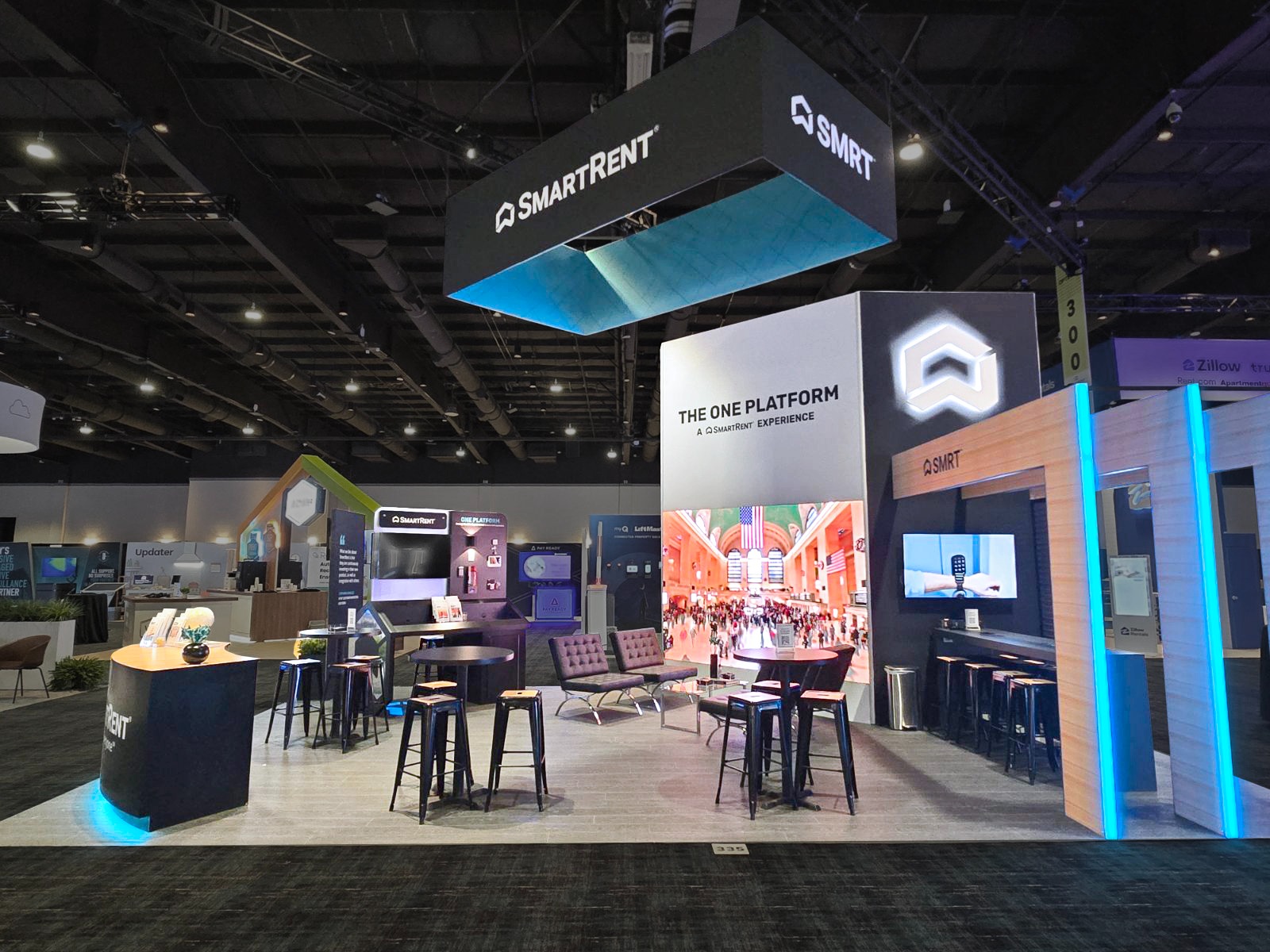
The goal isn’t to eliminate privacy, but to make sure that privacy doesn’t command the exhibit footprint at the expense of attendee engagement.
Just think of it as creating layers within the space rather than walls around it.
Modern Brands Are Prioritizing Connection
It’s safe to say that tradeshows have evolved. Years ago, exhibits often functioned like showrooms. Brands displayed products, attendees browsed, and conversations happened secondary.
Today’s most successful exhibits prioritize experiences, conversations, and relationship-building.
Open booth designs support that shift. They create environments that feel approachable, collaborative, and welcoming–qualities that modern audiences increasingly expect from the brands they do business with.
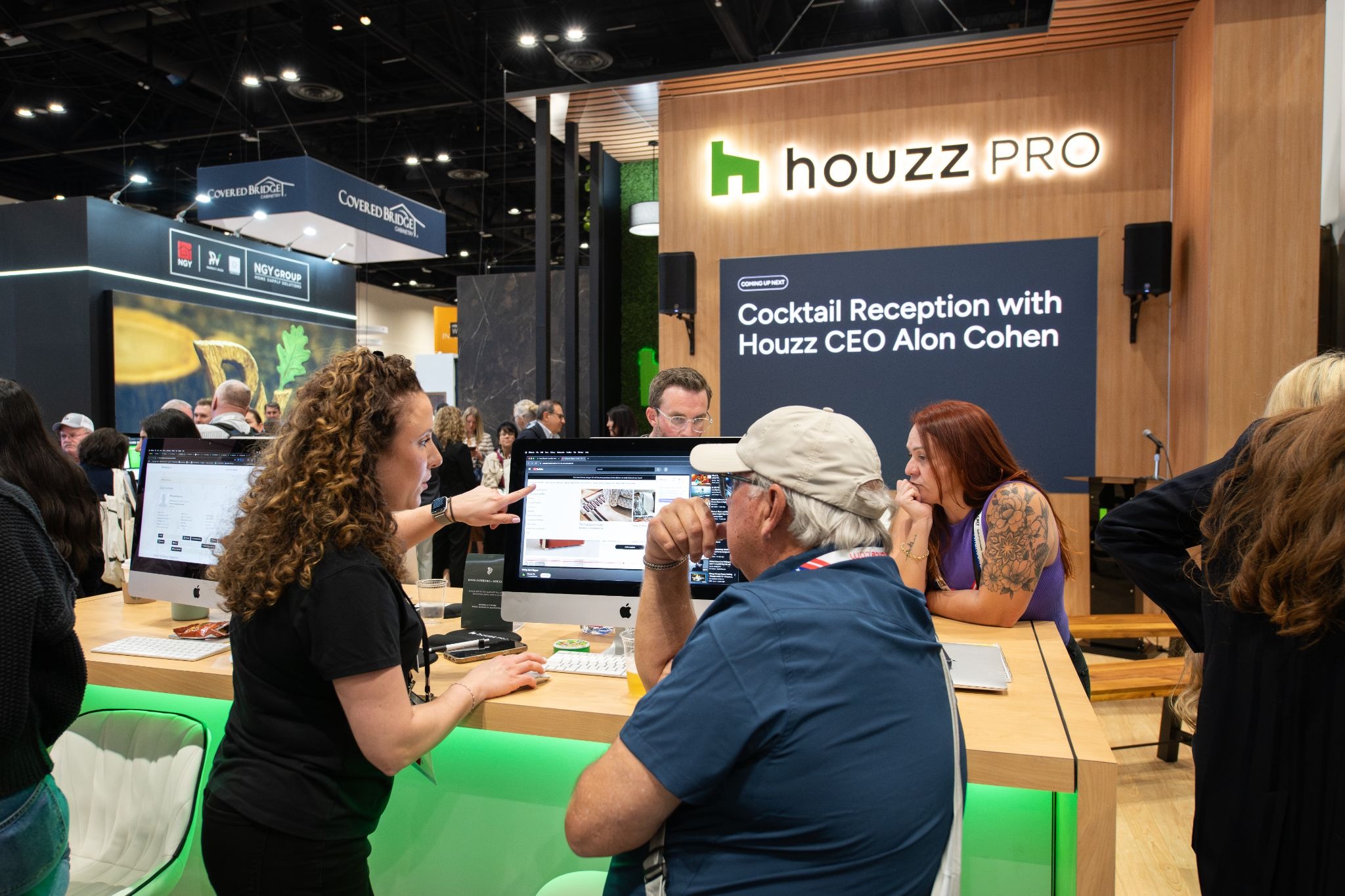
When attendees feel comfortable entering a space, they’re more likely to stay, explore, and engage.
There Are Exceptions–But They’re Rare
Of course, every rule has exceptions. For example, certain industries require greater privacy. Sensitive product demonstrations, executive meetings, healthcare applications, or confidential technology discussions may warrant more enclosed environments.
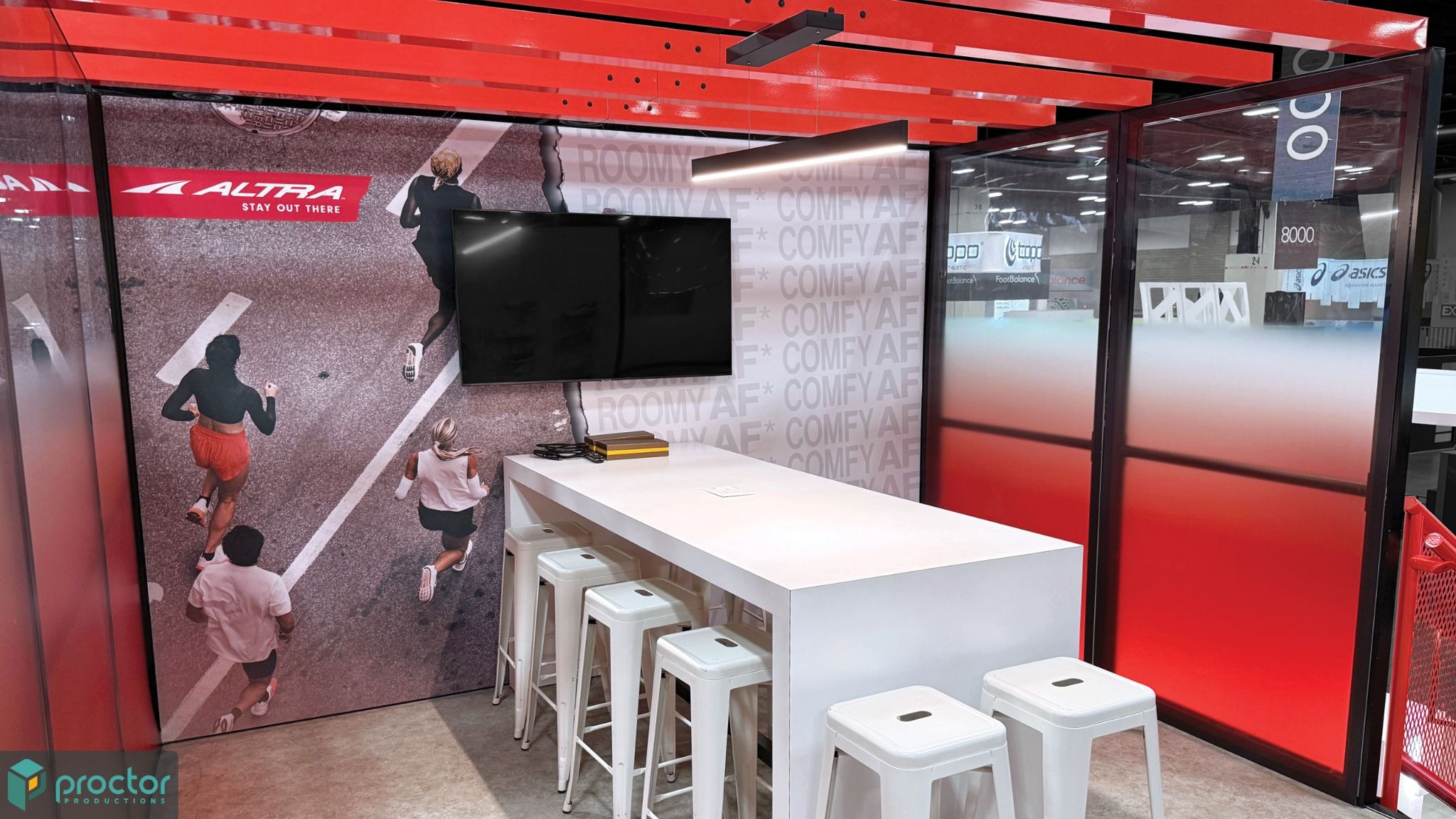
But even in those cases, the most effective exhibits typically combine private spaces with an open front-end experience. The public-facing portion of the booth remains accessible and inviting, while more private conversations happen deeper within the footprint.
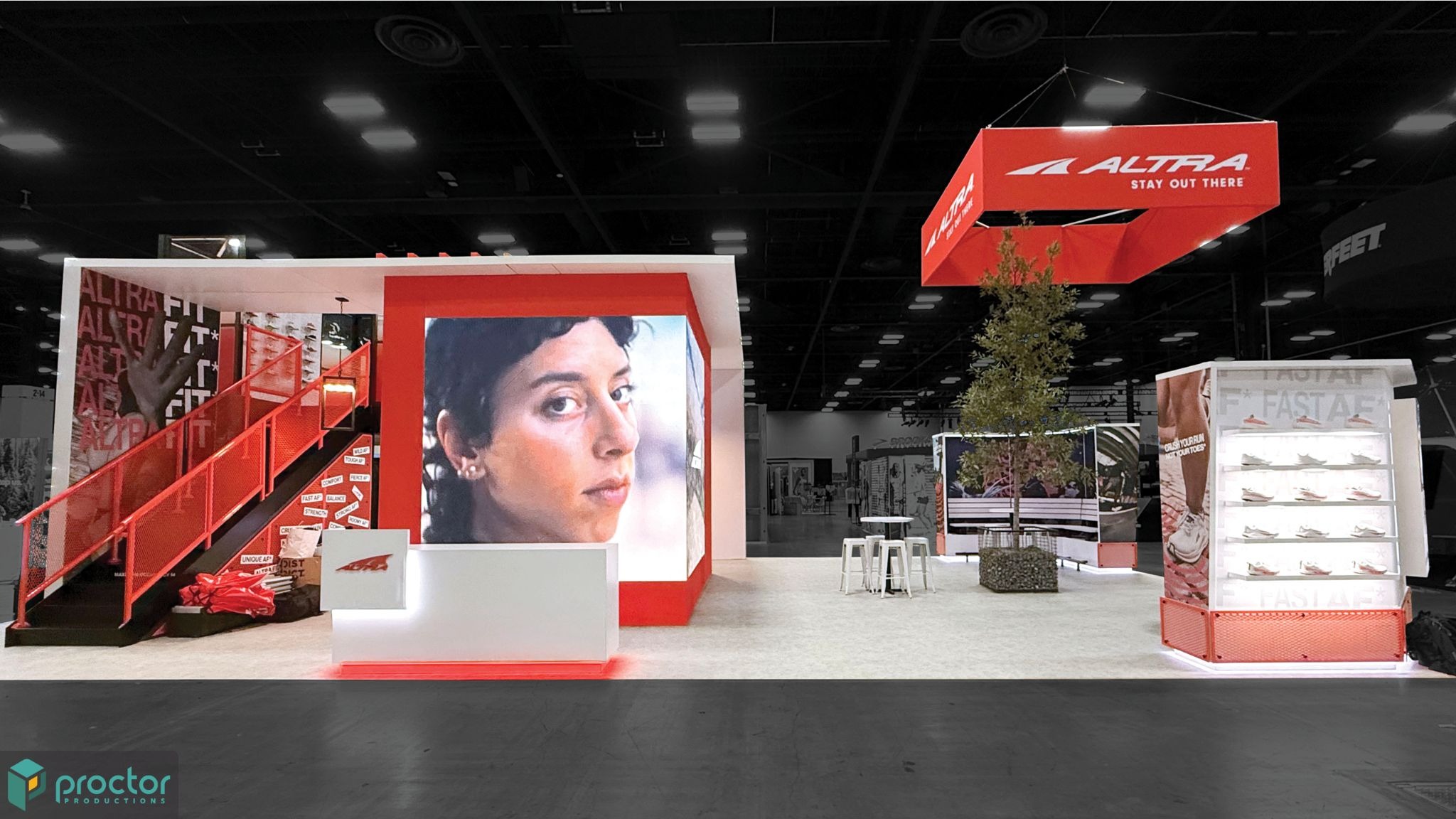
It’s rarely an all-or-nothing decision.
Design for Invitations, Not for Obstacles
At its core, exhibit design is about removing barriers between your brand and your audience. Every wall, partition, and enclosed structure should serve a clear purpose. If it doesn’t, it may be limiting engagement more than it’s helping.
The most successful booths don’t force attendees to work for an interaction. They invite them in.
That’s why open booth designs continue to outperform closed concepts year after year. They create visibility, reduce friction, encourage participation, and make it easier for meaningful conversations and connections to happen.
And on the show floor, those conversations and connections are what it’s all about.