
The Psychology of Exhibit Design: What Makes Audiences Stop & Engage
Walk any tradeshow floor and you’ll notice something interesting: some booths are packed with visitors while others–sometimes with equally great products–struggle to attract attention. It’s tempting to think the difference comes down to booth size or budget. While those factors can certainly help, they’re not what ultimately gets people to stop. The real secret lies in understanding human psychology.
Trade show attendees are constantly making split-second decisions. Every aisle is competing for their attention, and every booth is asking for a piece of their limited time. The exhibits that succeed aren’t just visually appealing–they’re intentionally designed around how people think, move, and interact.
Let’s take a look at the psychology behind exhibit design and what truly makes attendees stop and engage.
First Impressions Happen Fast
Research consistently shows that people form first impressions within seconds. On a crowded show floor, that window may be even shorter. Attendees are scanning hundreds of visual cues as they walk: colors, shapes, lighting, movement, messaging, and people. Before they’ve read a headline or spoken with a representative, they’ve already made assumptions about your brand. That’s why strong exhibit design starts with clarity.
Can attendees immediately understand:
- WHO you are?
- WHAT you do?
- WHY they should care?
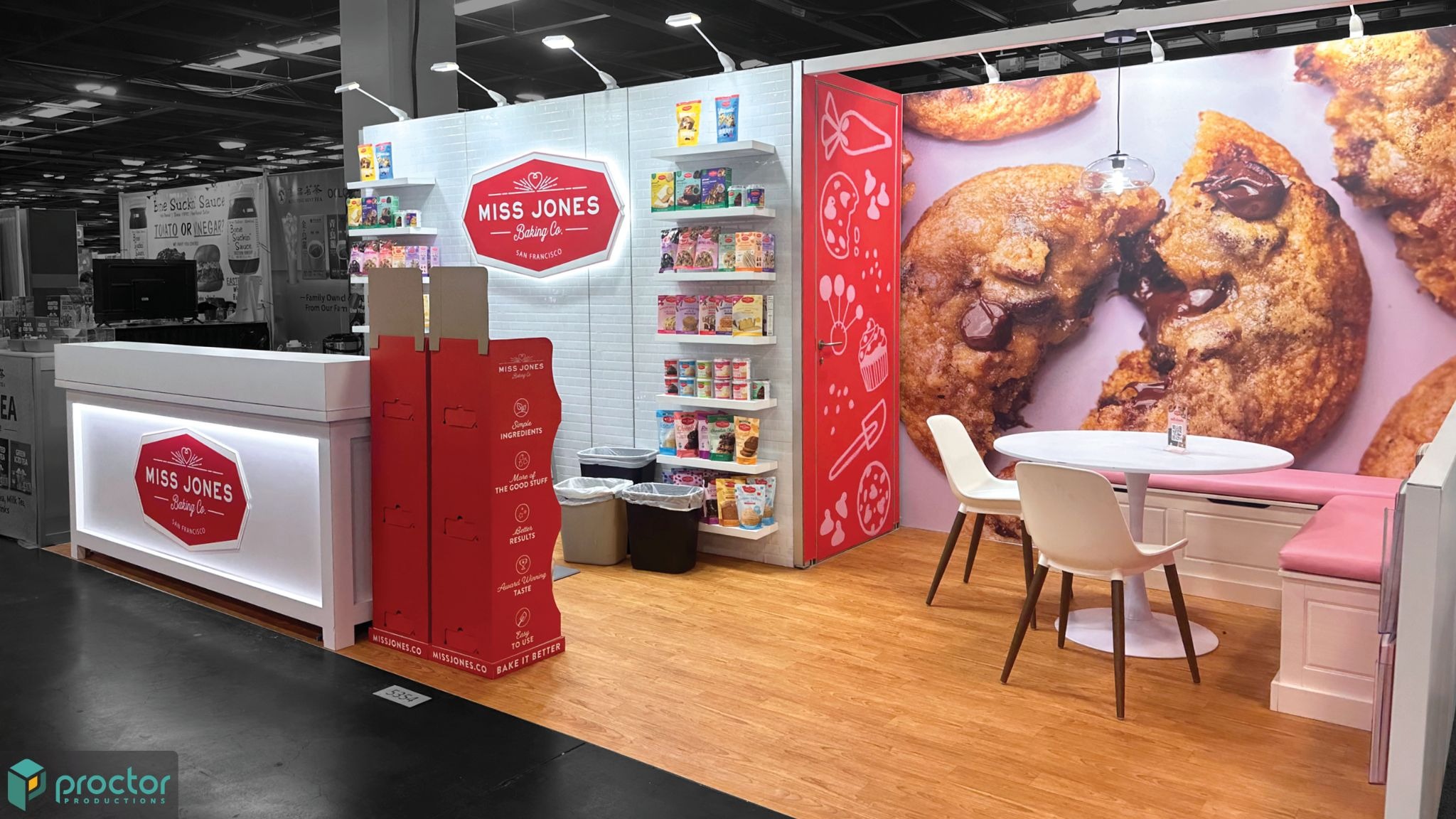
Fig. 1 above showcases a 10' x 20' exhibit designed and fabricated by Proctor Productions for Miss Jones Baking Co., a brand known for its baking mixes, frostings, and ready-to-bake doughs. Within moments of approaching the booth, visitors can quickly understand the brand’s identity and product offerings through a carefully orchestrated blend of visual storytelling elements. Oversized, mouth-watering product imagery, a warm and inviting color palette, prominently displayed merchandise, and a cozy breakfast nook-inspired seating vignette work together to create an environment that immediately communicates what the brand stands for and what attendees can expect from its products.
If your booth requires too much effort to interpret, most people will keep walking. The best exhibits communicate a clear message at a glance and invite visitors to learn more.
Our Brains LOVE Contrast
Imagine standing in an aisle lined with booths that all look relatively similar. Which one catches your eye? The answer is usually the one that feels different.
Humans are naturally drawn to contrast1. This could mean:
- Bold colors among neutral surroundings
- Unique architectural elements
- Dynamic lighting
- Unexpected materials
- Interactive features
The goal isn’t to be louder than everyone else. It’s to create visual distinction.
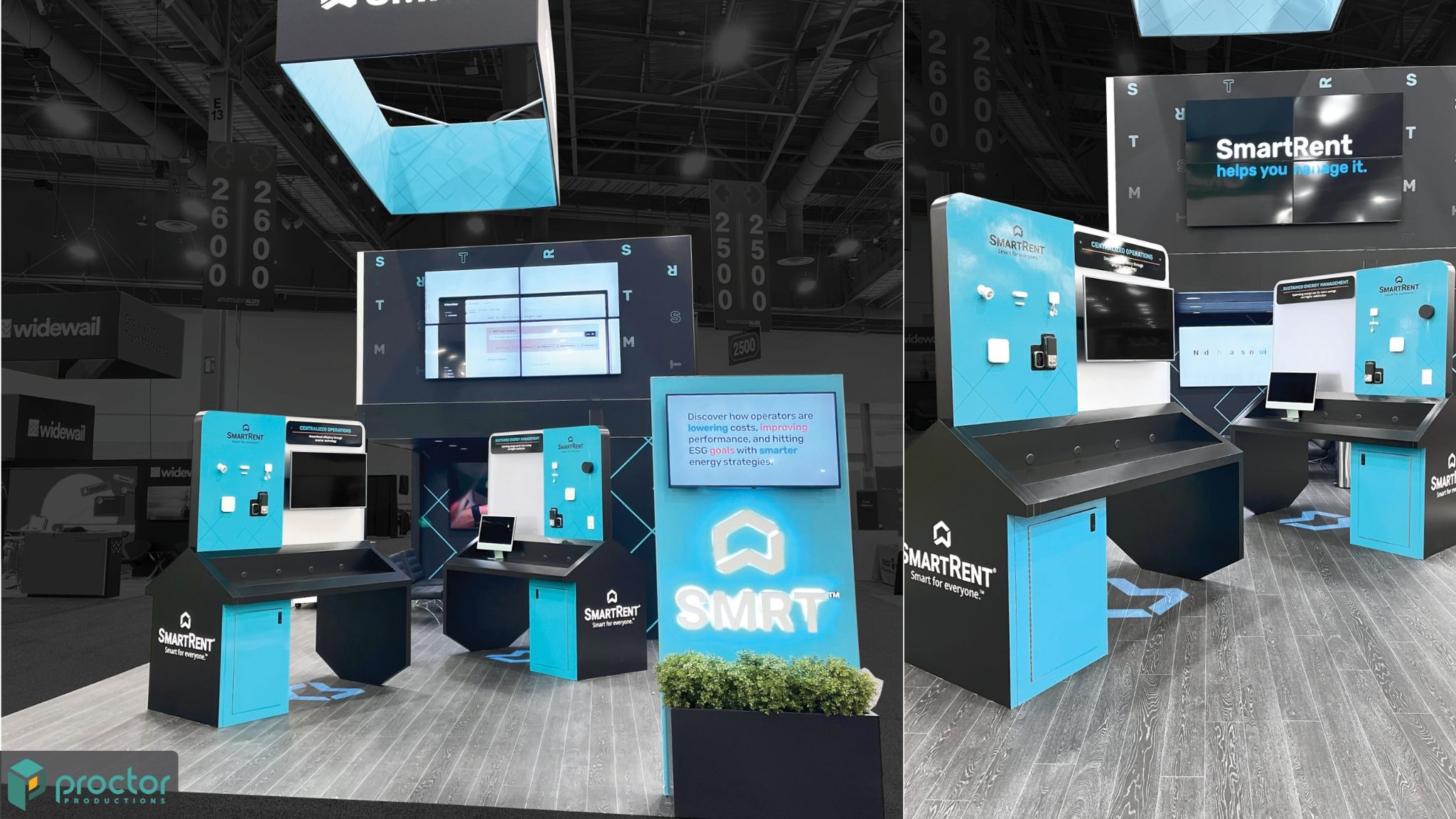
Fig. 2 demonstrates how strategic contrast can be used to capture attention and encourage engagement. Custom interactive demo stations are highlighted with branded gobo lighting that projects the SmartRent logo onto the floor, creating a visual cue that naturally guides attendees toward the experience. The combination of dramatic lighting, angular workstation design, and illuminated overhead structures introduces an element of intrigue that invites visitors to explore further. Meanwhile, the brand’s vibrant blue palette stands out sharply against the black-and-white exhibit components and neutral gray flooring, creating strong visual contrast that helps the booth command attention from across the show floor. This deliberate use of contrast makes key brand elements more memorable while drawing attendees deeper into the exhibit experience.
Standing out doesn’t always mean turning the volume up. Sometimes it means designing something memorable enough that attendees instinctively want a closer look.
People Follow People
One of the most powerful tools in exhibit design isn't structure, graphic, or technology. It’s other people. When attendees see a booth that’s active and engaged, they’re more likely to investigate. Psychologists call this social proof. We naturally look to others for cues about what’s worth our attention.
This is why exhibit layouts should encourage activity rather than hide it. Open entrances, visible product demonstrations, collaborative meeting areas, and interactive experiences help create energy that attracts additional visitors.
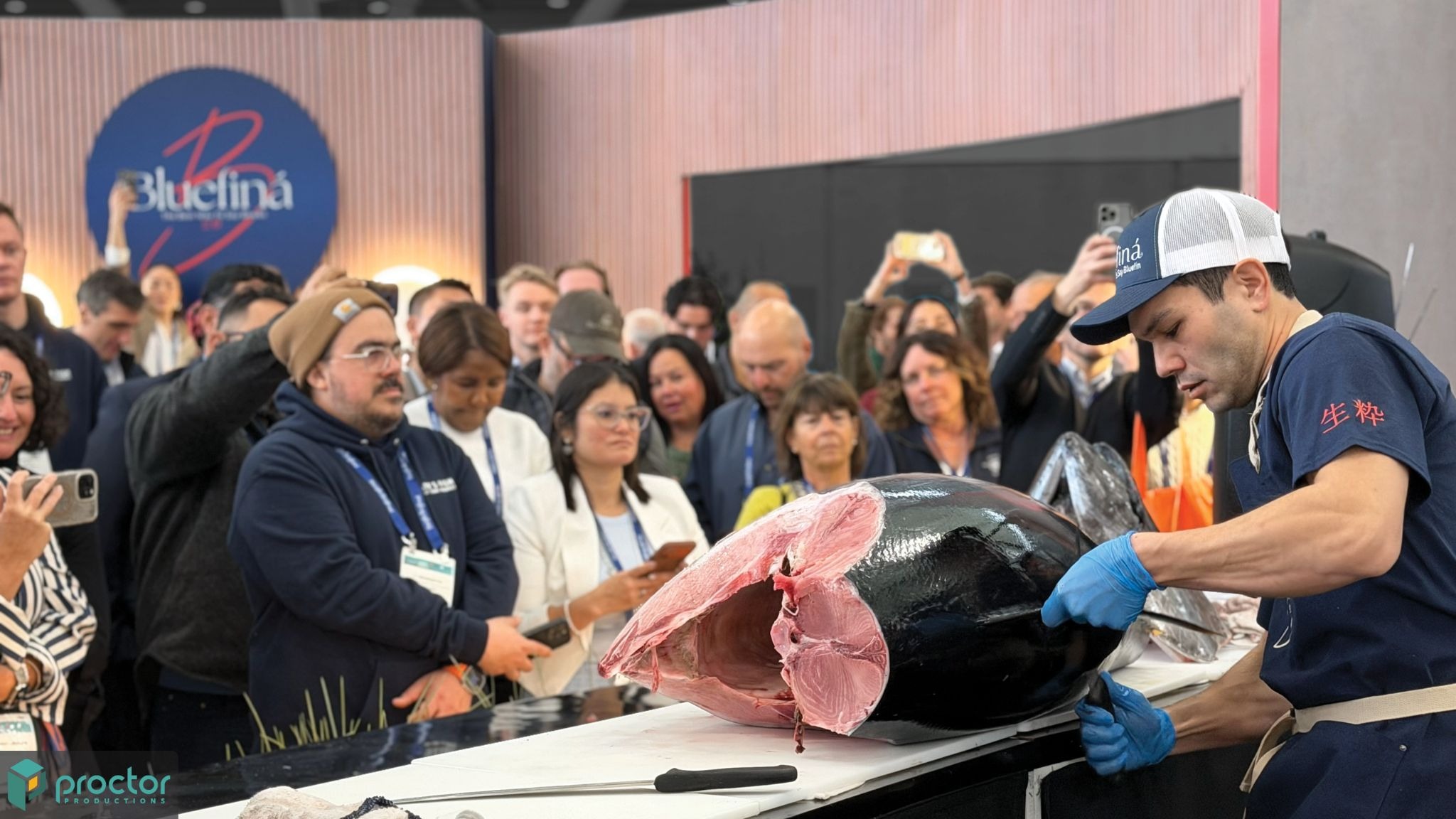
In Fig. 3, a massive crowd gathers around Bluefina’s live demonstration at SENA 2026, as staff expertly break down a colossal bluefin tuna. The audience extends well beyond the immediate viewing area—many attendees can’t even see the demonstration directly, despite the booth’s open layout and generous footprint. That level of interest is a powerful example of social proof in action. People are naturally drawn to crowds; when they see others investing their time and attention in something, they instinctively assume it must be worth experiencing themselves. The demonstration becomes more than an attraction—it becomes a magnet, continuously pulling in new visitors simply because so many others have already stopped to watch.
Simply put: engagement attracts engagement.
Curiosity Creates Opportunity
Think about the last movie trailer that hooked you. It probably didn’t explain everything. Instead, it revealed just enough to make you curious. Great exhibits work the same way.
Rather than overwhelming attendees with information, effective design creates intrigue. A compelling visual, a provocative question, an unexpected display, or an interactive element can encourage visitors to take the next step.
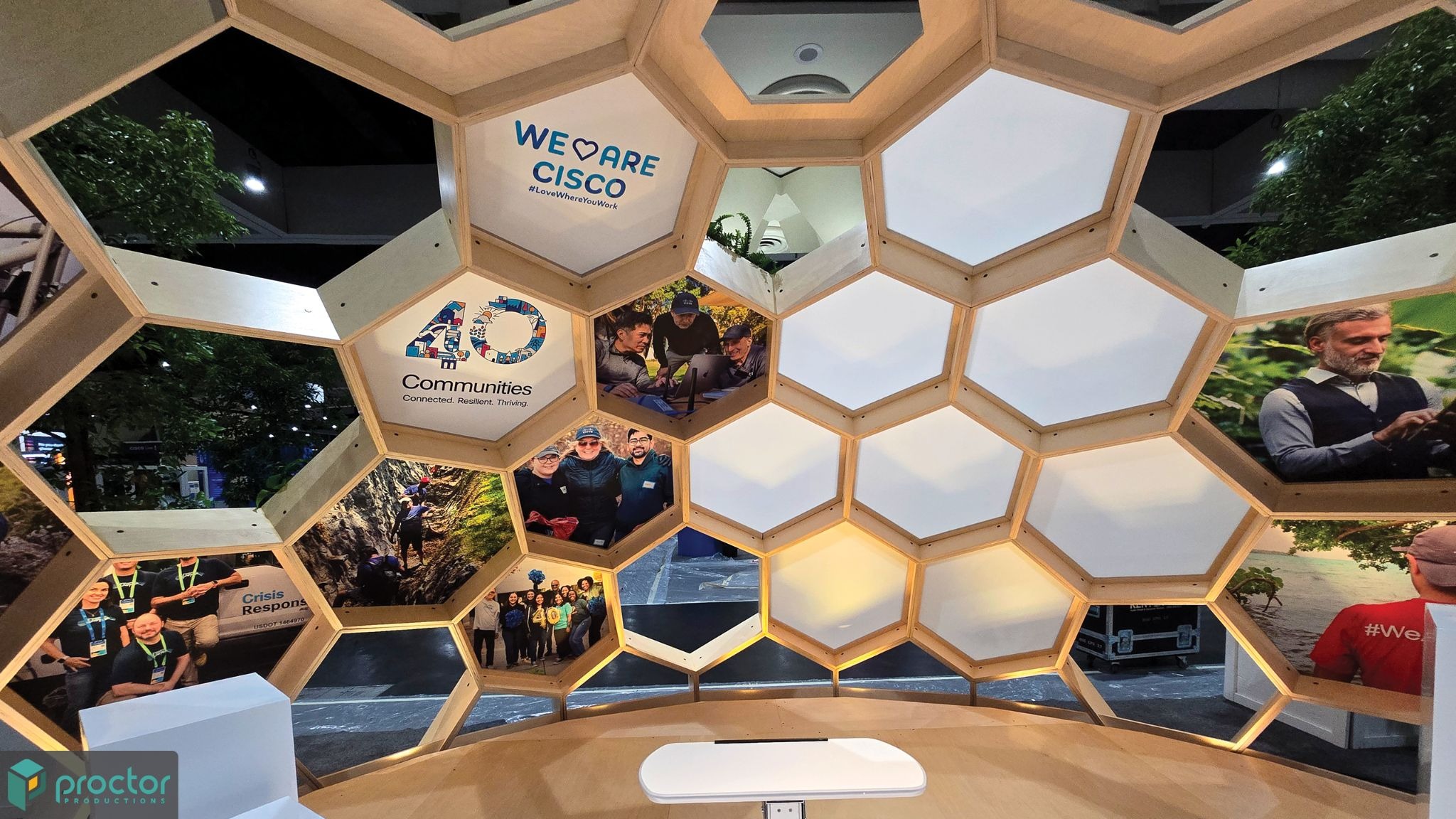
Fig. 4 showcases a custom geodesic dome created for Cisco, designed as a reusable experiential asset that has traveled to multiple events and trade shows. The structure's visual identity can be adapted for each activation through interchangeable graphics, foliage, and dynamic lighting treatments, allowing it to feel fresh and relevant in a variety of environments.
Beyond its versatility, the dome serves as a powerful attention-grabber on the show floor. Its unique architecture and commanding presence naturally attract attendees, creating a destination within the exhibit hall. By providing a comfortable environment for presentations and discussions, the structure encourages visitors to stop, gather, and engage—demonstrating how distinctive design elements can transform curiosity into meaningful participation.
The goal isn’t to tell the entire story from the aisle. The goal is to start a conversation.
Comfortable Spaces Encourage Longer Conversations
Getting someone to stop is one thing. Keeping them engaged is another. Once attendees enter a booth, their experience becomes heavily influenced by comfort.
People naturally gravitate toward environments that feel welcoming, safe, and easy to navigate2. Factors like:
- Clear traffic flow
- Open sightlines
- Appropriate lighting
- Comfortable seating
- Noise management
All influence how long visitors stay and how positively they perceive your brand.
If attendees feel cramped, confused, or overwhelmed, they’ll often leave before meaningful conversations can happen.
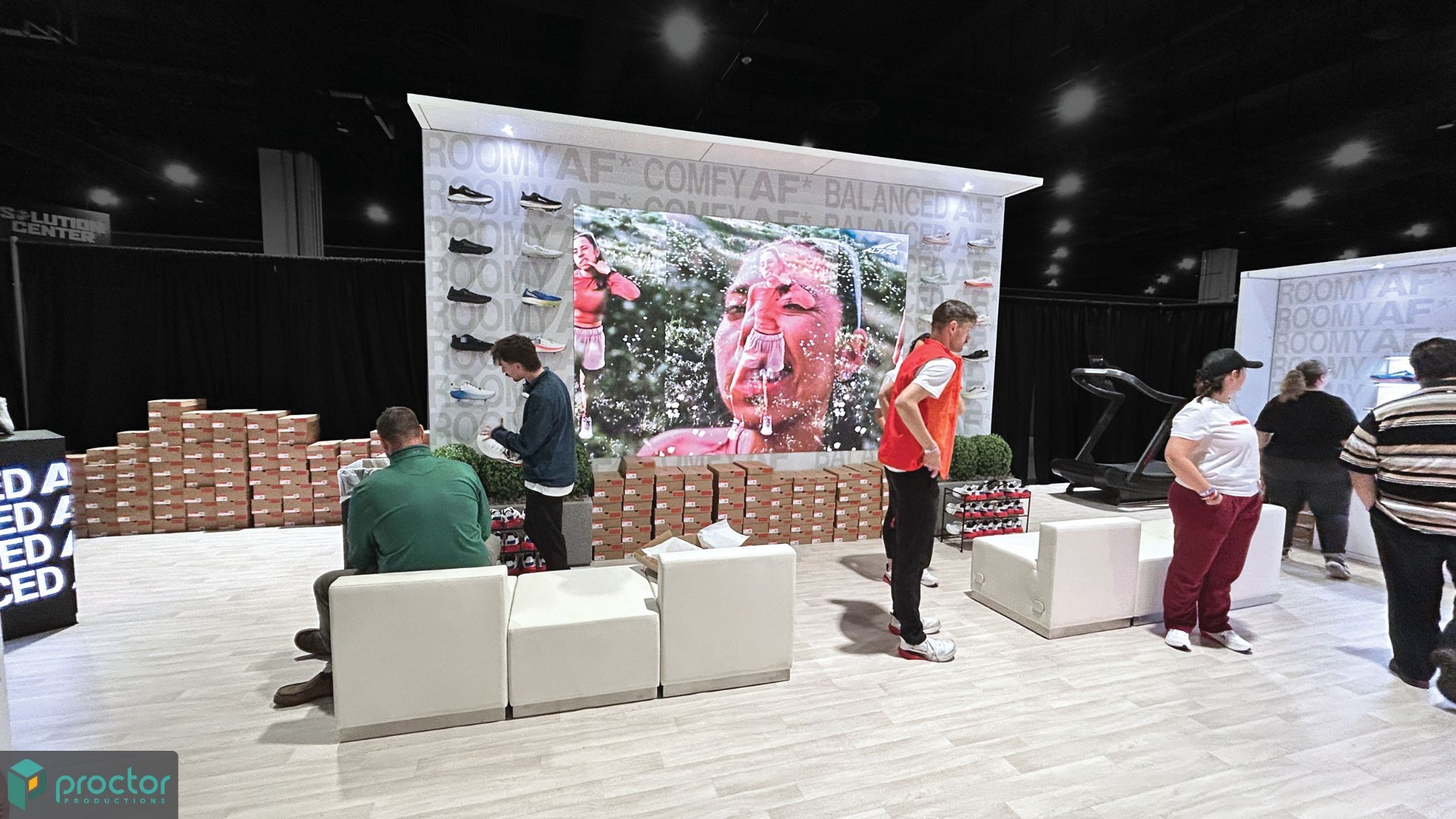
The 20’ x 40’ booth we designed and fabricated for ALTRA at the Marine Corps Marathon 2025 shown in Fig. 5 demonstrates the power of an open, accessible exhibit design. Large-format video displays deliver clear brand messaging while remaining visible from multiple vantage points throughout the show floor. The centrally located cushioned seating area encourages visitors to pause, relax, try on products, and spend more time engaging with the brand.
The booth’s open floorplan creates a welcoming environment that feels familiar and approachable, much like a well-designed retail space. With unobstructed sightlines, comfortable lighting, and easy access from the aisle, the exhibit communicates a sense of openness and comfort that invites attendees to enter, explore, and stay longer.
Ultimately, the most effective exhibits balance visual impact with visitor comfort.
Interactive Experiences Increase Memory
People remember what they do far more than what they see. That’s one reason experiential elements continue to play such a significant role in successful exhibit design.
Whether it’s a hands-on product demo, touchscreen experience, gamification element, or immersive environment, participation creates stronger emotional connections and better recall.
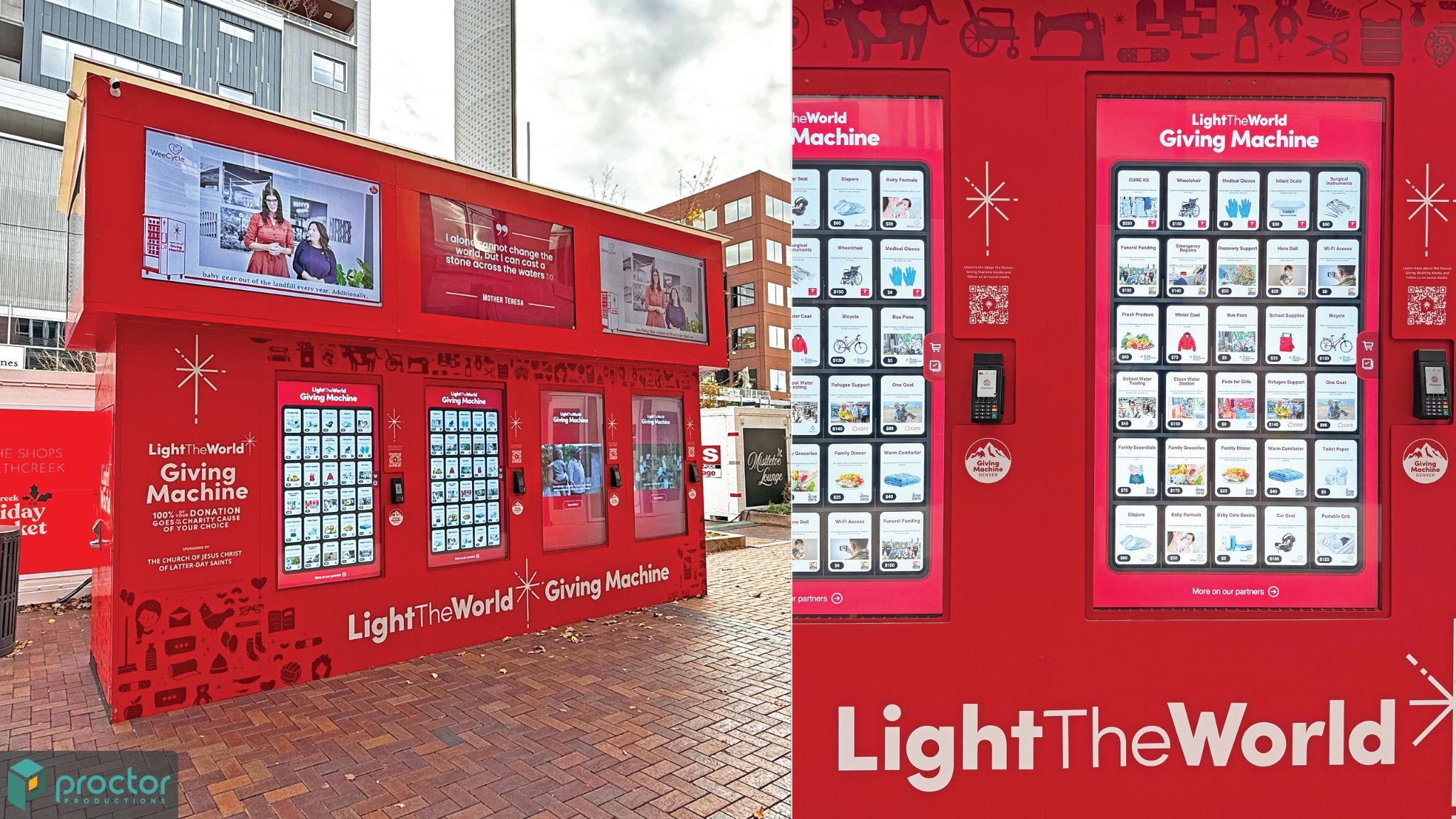
Fig. 6 shows our fully digital, interactive Giving Machines enable direct donations toward specific needs. The experience combines intuitive touchscreen interaction with clear imagery of the items being donated, making the impact of each contribution immediately tangible. At the same time, the visible, public nature of the act of giving introduces a subtle sense of social participation—reinforcing altruistic behavior and gently increasing the likelihood that visitors who are able to give will choose to do so.
Whether it's at a tradeshow or a public activation, it's true that attendees may forget a graphic panel they glanced at for three seconds, but they’re far less likely to forget an experience they actively participated in.
Design for Humans, Not Just Foot Traffic
It’s easy to get caught up in booth metrics, square footage, and attendee counts. But behind every lead, meeting, and badge scan is a person making decisions based on emotion, perception, curiosity, and comfort. The most successful exhibits recognize this reality.
Great exhibit design isn’t just about looking impressive, but about understanding human behavior and creating environments that naturally encourage people to stop, explore, connect, and remember. Because at the end of the day, trade shows aren’t about booths. They're about people. And when you design for people first, engagement tends to follow.
References:
1: "The Science of Contrast." Mad Genius, 24 Feb 2022. https://madg.com/blog/the-science-of-contrast/