
Immersive vs. Interactive: Designing Experiences That Convert
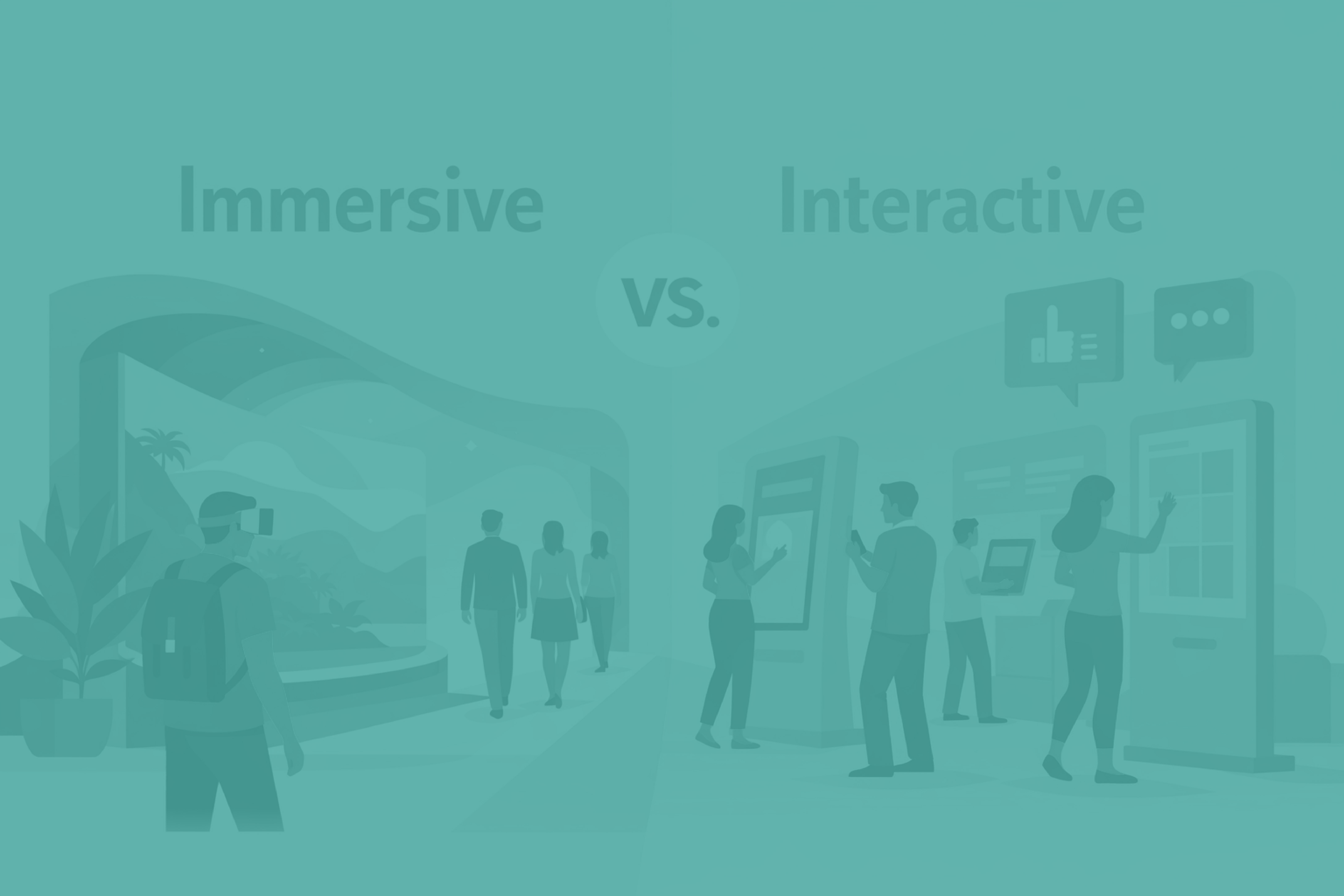
In experiential marketing, a couple of words get thrown around a lot: immersive and interactive. They’re often used together—and sometimes even interchangeably.
But they’re not quite the same thing.
Both play an important role in creating memorable brand moments, and both can dramatically increase audience engagement. The key is understanding what each one actually brings to an experience—and how they work together.
At Proctor Productions, we think of them as two different ways to pull people into a story. So let’s break it down.
Immersive Experiences: When the Environment Does the Talking

An immersive experience is all about the environment. It surrounds your audience with a world. Instead of standing on the outside looking in, participants feel like they’ve stepped inside the story.
Think about walking into a fully built environment—lights, textures, sound, and visuals all working together. The space itself tells the story. People aren’t just observing the brand; they’re surrounded by it, inhabiting it.
Immersion is all about atmosphere. The goal is to create a sense of presence—where guests feel like they’ve left the everyday behind and entered something new. Strong immersive experiences activate multiple senses and build emotional connections that traditional advertising rarely achieves.
It’s less about what the audience does and more about what they feel. A strong immersive experience sparks curiosity, captures attention, and creates that moment where someone says, “Wow, this is cool.”
Interactive Experiences: When the Audience Takes the Wheel
If immersion is about environment and pulling people in, interactivity is about action—giving attendees something to do once they’re there.
Interactive experiences create a two-way exchange. Guests press a button, make a choice, customize something, or trigger a response—and the experience reacts in real time.
That moment of participation changes the dynamic completely. Instead of passively consuming the experience, the audience becomes part of it.
And that shift matters.
When people actively engage with something, they tend to stay longer, remember more, and feel a stronger connection to the brand behind it.
Immersive vs. Interactive: The Key Difference
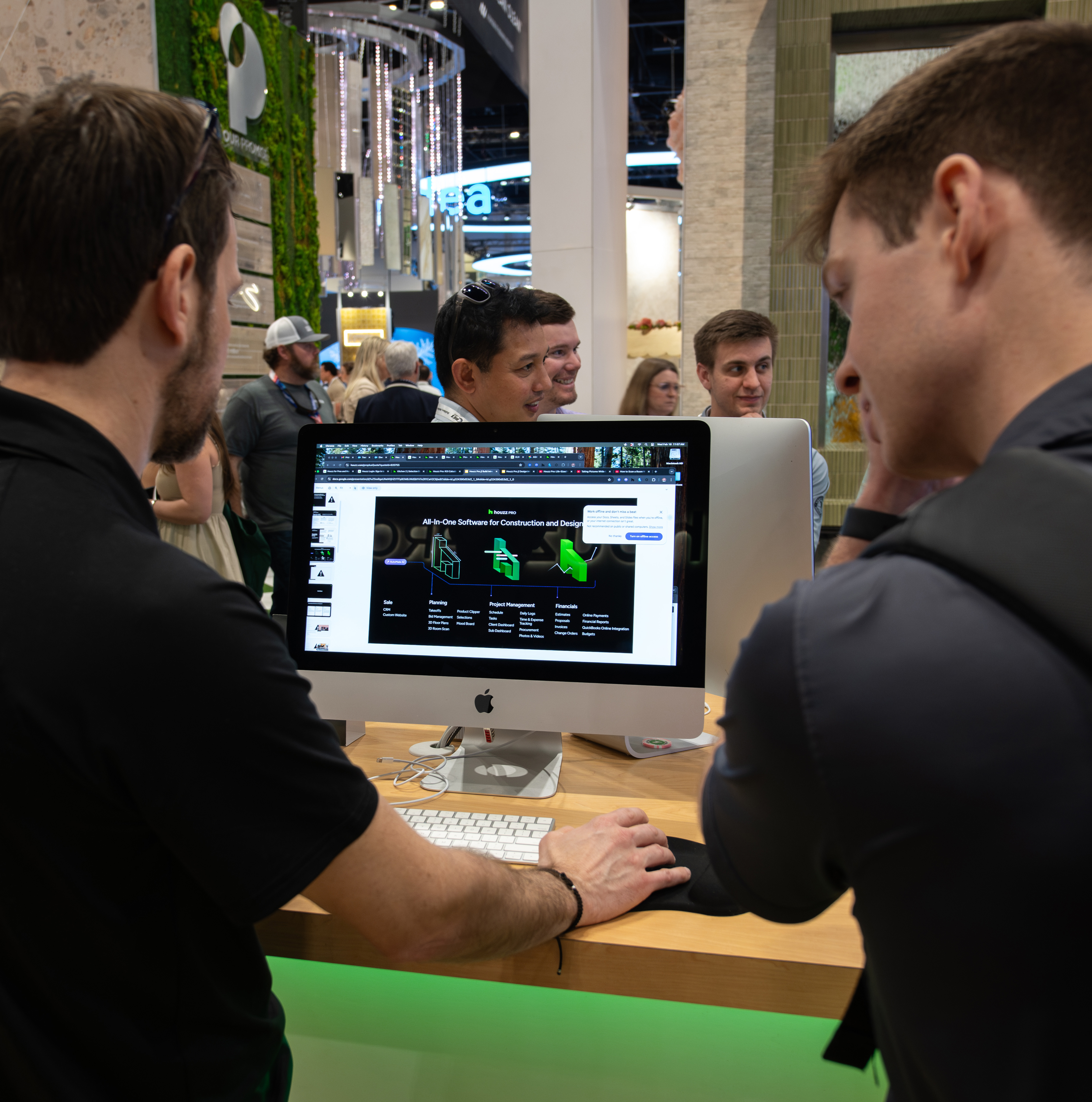
Here’s the simplest way to think about it:
- Immersive experiences focus on the world around the audience.
- Interactive experiences focus on what the audience can do within that world.
You can absolutely have one without the other.
A beautifully designed pop-up environment might fully surround guests with stunning visuals and atmosphere but require little participation. That’s immersive. Meanwhile, a digital quiz or product demo could involve plenty of user input without transporting anyone to a new environment. That’s interactive.
But when the two work together, that’s where things get really interesting.
Where the Magic Happens
The sweet spot? When immersion meets interaction.
The most memorable brand activations often combine both approaches, blending them seamlessly.
When someone feels emotionally connected to a space and actively involved in what’s happening, the experience becomes more meaningful—and memorable.
This is where experiential marketing really shines. That combination creates something brands love: lasting impressions.
And experiences that create lasting impressions tend to convert.
Designing with Intention
Not every activation needs to be both immersive and interactive. The right balance depends on what the brand is trying to accomplish.
Sometimes the goal is to build emotional impact—to create a sense of wonder via a visually striking environment that stops people in their tracks. In those cases, leaning into immersion may be the right move.
Other times it’s about encouraging hands-on engagement, product discovery, or guiding guests through a story. In those moments, interaction can be the stronger tool.
The best experiences come from intention—and understanding when and how to use each.
At Proctor Productions, we design experiences that pull audiences in, invite them to participate, and leave them with something memorable to talk about. Because when an experience is thoughtfully crafted, it doesn’t just look impressive.
It works. And it creates a moment people remember.